
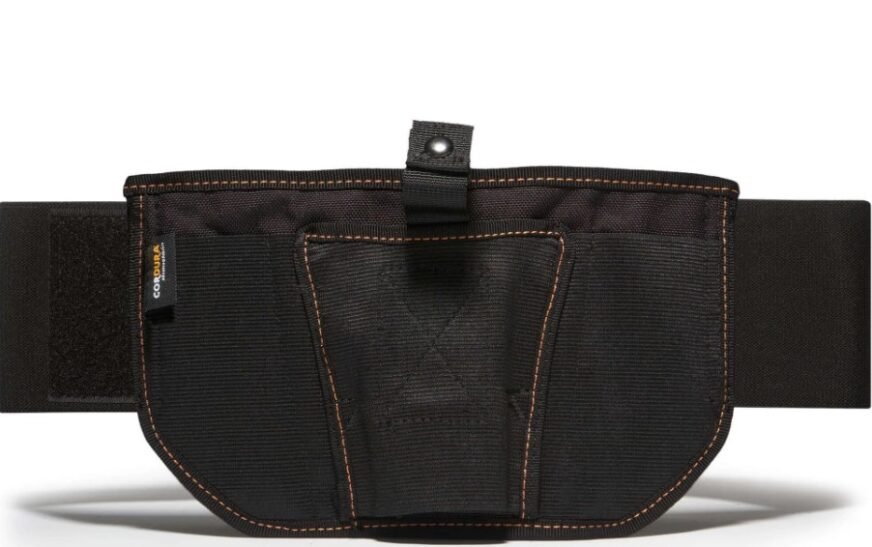
A gun holster belt is one of the VNSH Holster most important accessories for anyone who carries a firearm regularly. Whether you are a law enforcement officer, a concealed carry permit holder, or simply someone who wants to ensure safe and secure firearm handling, the right holster belt can make a significant difference. Unlike a regular belt, a gun holster belt is designed specifically to support the weight of a firearm, keep the holster stable, and provide comfort during everyday use. In this guide, we will explore what makes a great gun holster belt, the types available, and how to choose the perfect one for your needs.
Why a Gun Holster Belt Matters
Many new firearm owners make the mistake of using a normal belt to carry their holster. However, standard belts are not built to hold the extra weight and pressure from a gun. This can lead to sagging, discomfort, shifting of the holster, and even unsafe situations. A gun holster belt is specifically crafted with reinforced materials that prevent bending and keep your firearm stable. It ensures the holster stays in place during movements such as walking, running, or sitting.
A good holster belt also improves concealment. When the holster stays stable, you avoid printing — the visible outline of your firearm under your clothing. For concealed carriers, this is essential for maintaining privacy and avoiding unwanted attention.
Key Features of a Quality Gun Holster Belt
When choosing a gun holster belt, several key features determine its effectiveness and durability:
- Material Strength
Holster belts are typically made from leather, nylon, or reinforced synthetic materials.
- Leather belts offer a traditional and stylish appearance while being incredibly strong. High-quality full-grain leather belts are especially durable and resistant to wear.
- Nylon belts are lightweight, affordable, and ideal for tactical or outdoor use. They often come with built-in stiffeners for added support.
- Reinforced belts use internal layers of polymer, steel, or Kydex to provide maximum rigidity without adding bulk.
- Belt Stiffness
A good gun belt must be stiff enough to support the weight of a firearm without bending or twisting. Stiffness ensures the holster remains secure and the draw is consistent. - Width and Thickness
Most holster belts are between 1.25 to 1.75 inches wide. A wider belt typically provides better support, but your choice should match your holster and pants belt loops. Thickness also matters; thicker belts handle weight better but must still be comfortable. - Buckle Design
The buckle should be strong and reliable. Some popular options include:
- Traditional metal buckles for everyday wear
- Quick-release buckles for tactical use
- Low-profile buckles for better concealment under clothing
Types of Gun Holster Belts
There are several types of holster belts designed to match different carrying styles and environments:
- Tactical Gun Belts
These are usually made from nylon with reinforced stitching. They offer high durability, adjustable fit, and are favored by military personnel and outdoor enthusiasts. - Leather Gun Belts
A favorite for everyday concealed carry, leather belts combine style with strength. They pair well with casual or formal outfits and provide sturdy weapon support. - Reinforced Hybrid Belts
These combine leather or nylon with an internal stiffener. They offer the best of both worlds — comfort and structural strength. - Duty Belts
Used by law enforcement, these belts support multiple accessories like guns, handcuffs, radio holders, and more. They are wider and stronger than typical holster belts.
How to Choose the Best Gun Holster Belt
Choosing the right belt depends on your personal needs, lifestyle, and carry style. Consider the following:
- Daily comfort: If you wear the belt for long hours, prioritize comfort and flexibility.
- Weapon size: Larger firearms require stiffer and wider belts.
- Concealment: For concealed carry, choose a low-profile belt that prevents printing.
- Durability: Invest in high-quality materials and construction for long-term use.
- Budget: Prices range from affordable nylon belts to premium leather belts. Pick one that offers value without compromising safety.
Final Thoughts
A gun holster belt is a must-have accessory for anyone serious about safe and comfortable firearm carrying. Unlike regular belts, holster belts offer the durability, stiffness, and stability required to support a firearm properly. By understanding the different types, materials, and features to look for, you can choose a belt that enhances both safety and comfort. Investing in a quality gun holster belt ensures reliable performance, better concealment, and peace of mind—no matter where your day takes you.