
Most businesses learn about foam packaging the hard way. A shipment arrives damaged. Products are crushed or scratched beyond repair. Standard foam inserts seemed adequate until they failed during actual transport. That’s when companies realise they need something better. A custom foam manufacturer doesn’t just sell foam products. They solve protection problems that standard suppliers ignore completely.
Precision Engineering
Foam density determines everything. Thickness alone won’t protect fragile items properly. Different products need different cellular structures to absorb impact correctly. Glass components require specific compression characteristics. Heavy machinery parts demand entirely different foam properties. Skilled manufacturers test each application thoroughly before production begins. They measure recovery times after compression. Load distribution gets calculated precisely. Prototypes undergo repeated drop testing until the design works flawlessly. This approach prevents the costly nightmare of damaged goods reaching customers.
Material Intelligence
Australian conditions destroy cheap foam quickly. Heat degrades inferior materials within months. Coastal humidity creates additional challenges most suppliers never consider. Polyethylene foam resists moisture better for deliveries near the ocean. Cross-linked varieties handle repeated impacts without losing their protective qualities permanently. The right custom foam manufacturer asks detailed questions about shipping routes. Storage conditions matter significantly. Handling frequency affects material selection. Queensland’s tropical climate demands different foam specifications than temperature-controlled facilities in southern states. Experienced manufacturers understand these regional variations intimately.
Complex Geometry
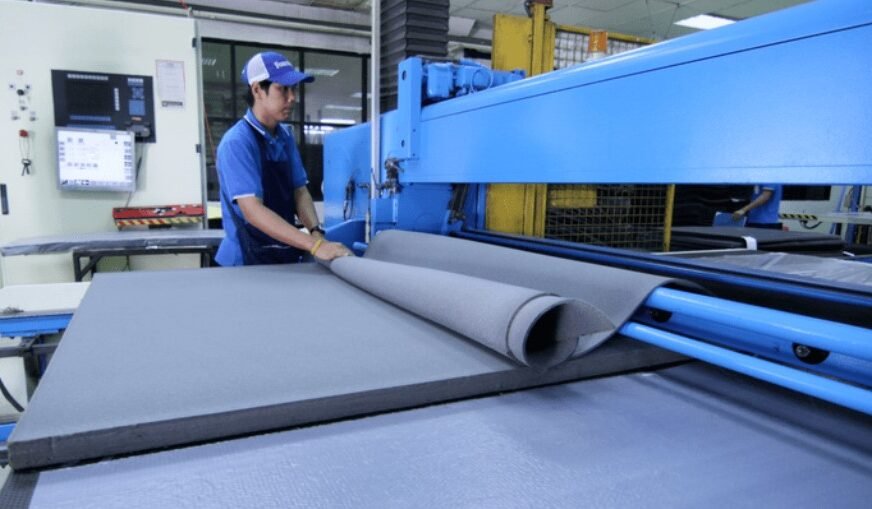
Standard packaging forces awkward compromises. Products must conform to predetermined shapes that rarely fit properly. Custom manufacturing reverses this frustrating limitation entirely. Modern cutting technology creates foam cavities matching every product contour exactly. CNC routing follows complex curves precisely. Water jet cutting handles intricate details standard methods can’t achieve. Medical device companies benefit enormously from this capability. Misaligned foam damages calibrated instruments worth considerable amounts. Properly engineered foam prevents movement across multiple directions simultaneously.
Testing Protocols
Reputable manufacturers simulate real shipping conditions. Packages get dropped repeatedly from various heights. Freight handling scenarios undergo rigorous testing. Pallet stacking compression gets measured carefully. Worst-case situations receive special attention during development. Vibration testing mimics transport over deteriorating roads. Compression analysis shows exactly when products might contact box walls under extreme pressure. This documentation becomes invaluable during shipping disputes. Detailed testing records often resolve claims quickly without lengthy investigations.
Production Adaptability
Seasonal demand creates planning headaches for many businesses. Volume fluctuates dramatically throughout the year. Capable manufacturers handle small prototype runs during product development phases. They scale production smoothly when orders increase significantly. Digital cutting files eliminate retooling delays for reorders. Setup costs disappear after initial design completion. Companies launching new products appreciate this flexibility enormously. Foam designs can iterate rapidly based on field testing results. Minimum order requirements don’t force businesses into purchasing excess inventory.
Sustainable Innovation
Packaging waste regulations keep becoming stricter across Australia. Environmental compliance isn’t optional anymore. Progressive manufacturers offer biodegradable foam options now. Recycled content gets incorporated without compromising protection levels. Some operations accept used foam back for reprocessing. This isn’t superficial marketing. Corporate sustainability audits demand documented evidence about packaging choices. Landfill reduction requires verifiable material traceability. Smart manufacturers provide certifications satisfying increasingly demanding environmental reporting standards.
Regulatory Navigation
Different products bring unique shipping requirements. Lithium batteries need specific packaging considerations. Pharmaceutical transport involves strict compliance standards. International electronics exports face country-specific restrictions. Specialised custom foam manufacturer teams understand IATA regulations thoroughly. Dangerous goods classifications require precise attention. Import restrictions vary dramatically between destinations. These experts have navigated customs rejections caused by inadequate packaging. They know which certifications prevent expensive shipment delays. Standard suppliers rarely mention these complications until problems emerge unexpectedly.
Strategic Partnerships
The strongest manufacturer relationships transcend simple transactions. Experienced teams review packaging failures systematically. They suggest design improvements based on extensive field experience. Sometimes they identify product design flaws creating unnecessary packaging challenges. Having seen countless protection scenarios, they spot vulnerabilities before shipments depart. This consultative approach reduces warranty claims significantly. Replacement costs decrease noticeably. Customer satisfaction scores improve consistently when packaging performs reliably.
Conclusion
Effective protection requires engineering expertise rather than guesswork about foam thickness. A skilled custom foam manufacturer applies rigorous testing methods and material science knowledge. They prevent expensive failures through careful analysis. Australian operating conditions get factored into every design decision. Regulatory complexity receives proper attention throughout development. The balance between protection and sustainability gets maintained carefully. Companies treating foam manufacturing as an engineering partnership report consistently better outcomes. Damaged shipments decrease substantially. Total packaging costs reduce over extended periods when quality takes priority over simple procurement decisions.