
Walk into any Australian home and the kitchen tells you something straight away. Some feel cramped and chaotic. Others work smoothly even during breakfast rush hour. The difference usually comes down to kitchen cabinetry that’s been planned properly. It’s not about expensive materials or following trends. What matters is whether your cabinets actually make cooking easier or just look good in photos.
Hidden Storage Tricks
Most kitchens waste a shocking amount of space. That corner where two benchtops meet doesn’t need to be a black hole for baking trays. Blind corner units with swing-out shelves solve this problem neatly. They bring everything forward instead of making you crawl inside the cupboard.
The narrow gap between your fridge and wall can hold more than you’d think. A pull-out pantry fits there perfectly. It’s slim but surprisingly useful for tinned goods and spices. Meanwhile, the space under your cabinets sits empty in most homes. Toe-kick drawers make use of it for flat items like chopping boards and baking sheets.
Design That Actually Matters
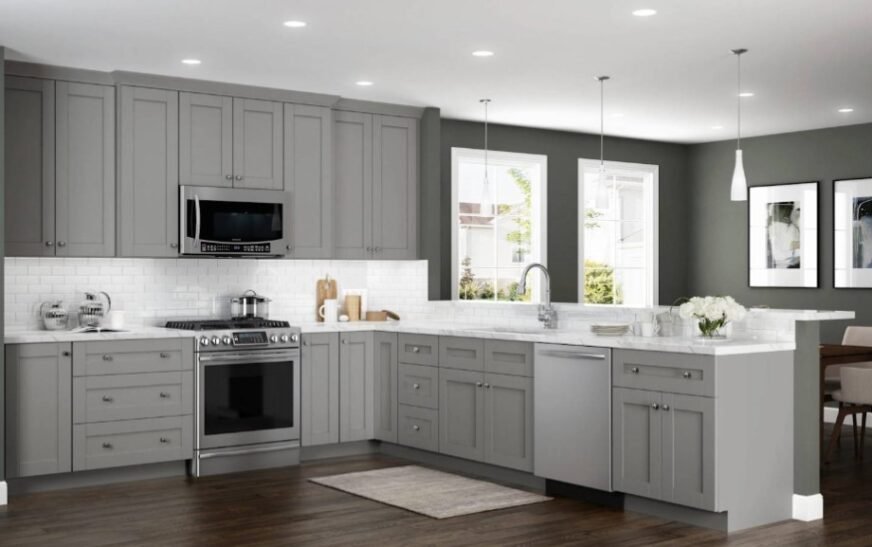
Cabinet door styles come and go, but some principles stay constant. Proportions matter more than fashion. Shaker-style doors have lasted decades in Australia because they work with almost any home style. Two-tone cabinetry looks striking when done right. The trick is keeping upper cabinets lighter than lower ones. Do it backwards and the whole kitchen feels wrong.
Handleless cabinets create those clean lines everyone wants. They’re sleek and modern. But fingerprints show up more easily than on handled versions. It’s a trade-off worth considering.
The Work Triangle Reality
The old work triangle idea still has merit, though modern kitchens need something different. Work zones make more sense now. Your kitchen cabinetry should create dedicated areas for specific tasks.
Coffee drinkers need their mugs, machine and sugar grouped together. Bakers want flour, mixing bowls and measuring cups near the prep area. This approach lets multiple people work without constantly bumping into each other. No more reaching over someone to grab what you need.
What Buyers Notice First
Real estate agents know kitchens sell homes. Buyers look closely at cabinets though. Soft-close hinges signal quality because cheap renovations skip this detail. Dovetail-joined drawers impress more than stapled ones.
Buyers open cupboard doors looking for water damage or sagging shelves. Misaligned doors raise red flags. They suggest rushed installation or poor materials. These small details reveal whether it’s a genuine renovation or just a cosmetic flip.
Materials Nobody Mentions
Particleboard gets dismissed unfairly. High-density versions with proper sealing perform brilliantly. Solid timber looks beautiful but moves with humidity. Those gaps that appear in summer? That’s timber responding to moisture changes.
Thermofoil wrapping resists moisture better than paint. Heat from appliances can make it peel though. Polyurethane doors handle Brisbane’s humidity and Melbourne’s temperature swings equally well. The upfront cost is higher but they last.
Cleaning Shortcuts
Glossy finishes look stunning in showrooms. They show every fingerprint at home though. Family kitchens need daily wiping. Matte surfaces hide marks better but can be trickier to clean when something actually sticks.
Textured laminate disguises wear patterns beautifully. That makes it perfect for rental properties. Timber veneer has grain direction that affects how easily you wipe away splashes. Nobody thinks about this when choosing cabinets. It matters every single day afterwards.
When Life Changes Direction
Standard cabinet heights assume an average cook’s height. Not everyone fits that mould. Adjustable shelving seems basic but it’s genuinely useful. Fixed shelves waste space when your storage needs shift over time.
Drawer dividers that move let you reconfigure storage as needed. Appliance garages hide benchtop clutter when visitors arrive unexpectedly. Base cabinets on legs make future renovations simpler than plinths do. You won’t deal with waterproofing headaches when changing floors.
The Details That Stick
Cabinet lighting changes everything after sunset. Under-cabinet strips eliminate shadows on your workspace. Inside-cabinet lighting helps you find things without emptying the entire cupboard. Glass-fronted cabinets with soft illumination create ambience for evening entertaining. These choices affect those early mornings and late nights when overhead lighting feels too harsh.
Conclusion
Choosing kitchen cabinetry means understanding how you actually cook rather than copying styled photographs. The best cabinets disappear into your routine. Everything’s exactly where you need it. Think about your real cooking habits and your family’s traffic patterns. Consider those small frustrations in your current kitchen. That’s where good cabinet planning begins, and that’s what transforms a cooking space into something genuinely functional.