

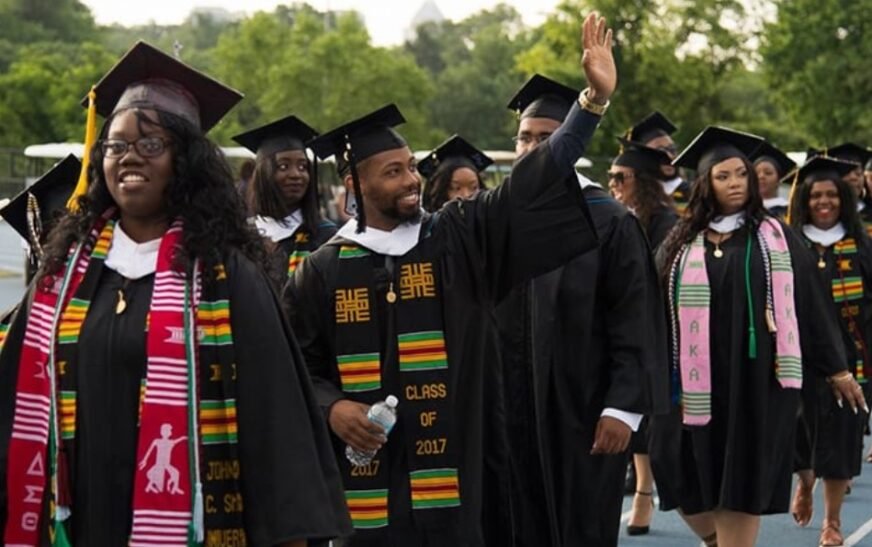
Historically Black Colleges and Universities (HBCUs) have long been recognized as critical institutions for cultivating talent, fostering cultural awareness, and nurturing the next generation of leaders. Yet, the impact of these institutions is amplified when paired with dedicated organizations working tirelessly behind the scenes. Nonprofits supporting HBCU students have become pivotal in not only expanding access to education but also in ensuring students gain the skills, networks, and confidence necessary to lead in various professional sectors. By providing scholarships, mentorship programs, and career development opportunities, these nonprofits are equipping students to navigate the complexities of modern society while staying grounded in their cultural heritage.
Strengthening Access Through Financial Support
Financial barriers remain one of the most significant challenges HBCU students face. Many students are first-generation college attendees, and even tuition that is relatively lower than other institutions can be a major burden. Nonprofits supporting HBCU students address this challenge by offering scholarships, grants, and emergency financial assistance. Programs like the United Negro College Fund (UNCF) and Thurgood Marshall College Fund are prime examples of organizations that provide critical financial support to students who might otherwise be unable to pursue higher education.
Beyond covering tuition, these nonprofits often provide stipends for books, technology, and living expenses. This holistic approach ensures that students can focus on their education and personal development rather than financial survival, creating a stronger foundation for leadership growth. The direct impact is measurable: students with fewer financial worries tend to engage more fully in campus life, pursue internships, and participate in leadership programs that prepare them for professional success.
Mentorship Programs That Inspire Leadership
Financial support is crucial, but mentorship is equally transformative. Nonprofits supporting HBCU students often create mentorship networks connecting students with professionals in their field of interest. These relationships provide guidance, advice, and networking opportunities that can be life-changing. For instance, a nonprofit may pair a business student at Howard University with a successful entrepreneur who provides insights into navigating corporate structures, leadership challenges, and career strategy.
Mentorship programs do more than improve professional readiness; they foster self-confidence and resilience. Students learn from the successes and failures of their mentors, gaining a nuanced understanding of leadership that goes beyond textbooks. Many nonprofit-led mentorship initiatives also incorporate group workshops, peer mentorship circles, and leadership retreats, emphasizing teamwork, problem-solving, and communication skills—core competencies for any effective leader.
Career Development and Skill-Building Opportunities
In today’s competitive job market, academic excellence alone is not enough. Nonprofits supporting HBCU students play a vital role in bridging the gap between classroom learning and career readiness. Internship placements, job shadowing experiences, resume-building workshops, and professional networking events are some of the key services these organizations provide.
These opportunities expose students to real-world challenges, helping them cultivate practical skills while building professional networks. By partnering with corporations, governmental agencies, and nonprofit organizations, nonprofits create pipelines that increase the likelihood of successful career placement after graduation. Furthermore, they often prioritize leadership training, teaching students how to manage teams, lead projects, and navigate organizational dynamics—skills essential for future leaders in any sector.
Promoting Community Engagement and Social Responsibility
Leadership is not solely about professional achievement; it is also about civic engagement and social responsibility. Many nonprofits supporting HBCU students emphasize community service as a core component of their programs. Students are encouraged to participate in volunteer initiatives, advocacy campaigns, and community-based projects that tackle local and national issues.
These experiences instill a sense of purpose and accountability. Students learn that leadership involves not only guiding teams but also contributing to society in meaningful ways. For instance, a student involved in a nonprofit-led initiative on educational equity gains insight into systemic challenges while developing problem-solving and advocacy skills. This holistic development model ensures that HBCU graduates emerge as leaders who are not only competent in their professions but also committed to making positive societal impacts.
Fostering Diversity and Inclusion in Leadership
The leadership landscape in the United States has historically lacked representation from minority communities. Nonprofits supporting HBCU students play an essential role in changing this narrative. By equipping students with the tools, confidence, and professional networks they need to succeed, these organizations ensure that HBCU graduates are well-positioned to take on leadership roles in diverse industries, from corporate leadership and public service to entrepreneurship and creative fields.
The benefits extend beyond individual students. As more HBCU graduates assume leadership positions, they bring diverse perspectives, innovative approaches, and culturally informed insights to decision-making processes. This ripple effect creates more inclusive workplaces and institutions, influencing policies, strategies, and organizational cultures for years to come.
Long-Term Impact and Legacy
The work of nonprofits supporting HBCU students is not just immediate; it has lasting implications for society. These organizations help cultivate a pipeline of leaders who are well-educated, socially conscious, and prepared to influence change in their communities and beyond. Many alumni of these programs credit their success to the mentorship, guidance, and opportunities provided by nonprofits, highlighting the enduring value of such initiatives.
By investing in HBCU students, nonprofits are also investing in the broader social and economic advancement of historically marginalized communities. The leaders who emerge from these programs often return to support future generations, creating a cycle of empowerment, education, and community impact. This legacy ensures that the influence of nonprofits extends far beyond the individual students they serve.
Conclusion
The role of nonprofits supporting HBCU students in shaping future leaders cannot be overstated. By addressing financial barriers, fostering mentorship, providing career development opportunities, encouraging community engagement, and promoting diversity in leadership, these organizations play a transformative role in the lives of students and, by extension, society at large. As HBCU students continue to ascend in various fields, the support provided by nonprofits will remain a critical factor in ensuring that these leaders are not only successful but also socially responsible, innovative, and committed to uplifting their communities.
Investing in these students is more than philanthropy—it is a strategic effort to shape the future of leadership in America, ensuring that it is inclusive, equitable, and reflective of the nation’s rich diversity. Nonprofits supporting HBCU students are, therefore, shaping not only individual destinies but also the trajectory of society itself.