
A well-planned parking lot, roadway, or commercial driveway creates a strong first impression for customers, employees, and visitors. Whether it’s a retail center, office complex, industrial facility, or apartment community, quality pavement plays a major role in safety, accessibility, and property value. Understanding the costs, advantages, and industry best practices associated with a Commercial asphalt paving project can help property owners make informed decisions and maximize their investment.
What Is a Commercial Asphalt Paving Project?
A Commercial asphalt paving project involves the installation, repair, resurfacing, or replacement of asphalt surfaces designed for business or commercial use. These projects typically include:
- Parking lots
- Access roads
- Loading docks
- Commercial driveways
- Industrial yards
- Retail center pavements
Unlike residential paving, commercial projects often require heavier-duty materials and construction techniques to withstand higher traffic volumes and heavier vehicle loads.
Factors That Influence Commercial Asphalt Paving Costs
The total cost of a Commercial asphalt paving project varies significantly depending on several factors.
1. Project Size
Larger paving areas generally have a lower cost per square foot because equipment and labor can be utilized more efficiently. However, the total project budget increases with the overall size.
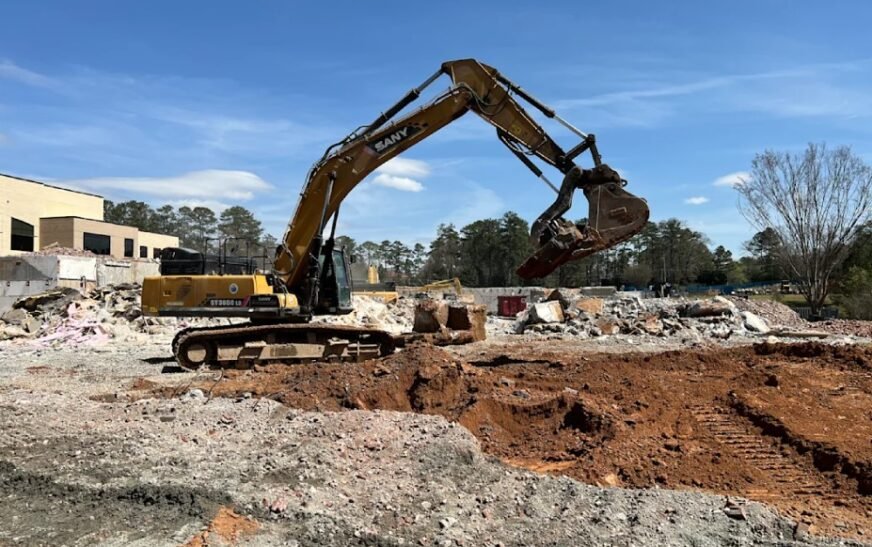
2. Site Preparation Requirements
Before paving begins, the site may need:
- Excavation
- Grading
- Drainage improvements
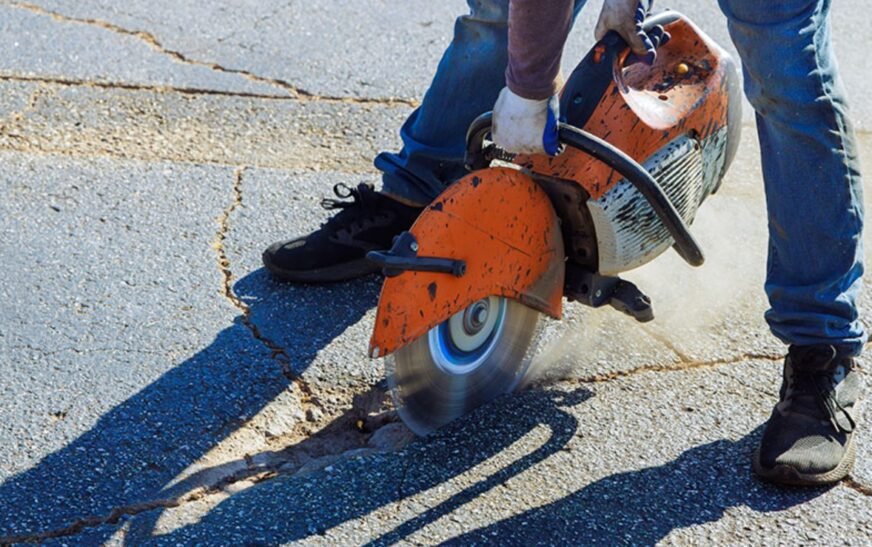
- Removal of old pavement
- Soil stabilization
Extensive site preparation can account for a significant portion of the project cost.
3. Asphalt Thickness
Commercial surfaces must support varying traffic loads. Areas used by heavy trucks require thicker asphalt layers and stronger foundations than standard parking lots.
4. Material Costs
Asphalt prices fluctuate based on:
- Oil prices
- Regional supply conditions
- Transportation expenses
- Seasonal demand
Material availability can directly affect project budgets.
5. Drainage and Design Features
Proper drainage systems, curbing, striping, and accessibility features can increase costs but are essential for long-term pavement performance.
Key Benefits of a Commercial Asphalt Paving Project
Investing in a professional Commercial asphalt paving project offers numerous advantages beyond simple aesthetics.
Enhanced Property Appearance
Fresh asphalt creates a clean, professional appearance that enhances curb appeal. Businesses with well-maintained pavement often leave a more positive impression on customers and clients.
Improved Safety
Damaged pavement can create hazards such as:
- Potholes
- Cracks
- Uneven surfaces
- Standing water
A newly completed Commercial asphalt paving project improves pedestrian and vehicle safety while reducing liability risks.
Cost-Effective Installation
Compared to many alternative paving materials, asphalt is generally more affordable to install and maintain. Its relatively quick installation process also minimizes business disruptions.
Durability and Strength
Modern asphalt surfaces can withstand heavy traffic and changing weather conditions when properly installed and maintained.
Easy Maintenance
Routine maintenance such as sealcoating, crack filling, and minor repairs can significantly extend pavement life while keeping costs manageable.
Long-Term Return on Investment
A quality Commercial asphalt paving project should be viewed as a long-term investment rather than simply an expense.
Increased Property Value
Well-maintained pavement contributes to overall property value and can make commercial properties more attractive to tenants, investors, and buyers.
Reduced Repair Expenses
Addressing pavement needs proactively helps prevent costly structural failures that require full reconstruction.
Better Customer Experience
Smooth, attractive pavement improves accessibility and convenience, which can positively influence customer satisfaction and retention.
Best Practices for Planning a Commercial Asphalt Paving Project
Proper planning is critical to achieving successful results.
Conduct a Site Evaluation
Before construction begins, a thorough site assessment should identify:
- Existing pavement conditions
- Drainage issues
- Soil stability concerns
- Traffic requirements
- Accessibility needs
This information helps determine the most effective paving strategy.
Choose Experienced Contractors
Selecting qualified paving professionals is one of the most important decisions in a Commercial asphalt paving project.
Look for contractors who:
- Have commercial paving experience
- Maintain proper licensing and insurance
- Provide detailed project proposals
- Offer references from previous clients
- Use modern equipment and materials
Develop a Realistic Budget
Project budgets should include:
- Site preparation
- Materials
- Labor
- Striping and signage
- Drainage improvements
- Contingency funds
A comprehensive budget reduces the likelihood of unexpected expenses.
Schedule Construction Strategically
Commercial paving should be scheduled during favorable weather conditions whenever possible. Proper scheduling can minimize disruptions to customers, employees, and business operations.
Best Practices During Construction
Ensure Proper Base Preparation
The foundation is one of the most critical components of any Commercial asphalt paving project. Poor base preparation often leads to premature pavement failure.
Proper preparation includes:
- Soil compaction
- Base material installation
- Accurate grading
- Drainage management
Monitor Asphalt Placement
Asphalt should be installed at the correct temperature and compacted according to industry standards. Proper compaction helps prevent future cracking and settlement.
Verify Drainage Performance
Water is one of the leading causes of pavement deterioration. Effective drainage systems help extend pavement life and reduce maintenance costs.
Post-Construction Maintenance Tips
Even the best Commercial asphalt paving project requires ongoing maintenance.
Sealcoating
Sealcoating protects asphalt from:
- UV damage
- Moisture infiltration
- Oil spills
- Oxidation
Many experts recommend sealcoating every few years depending on traffic levels and environmental conditions.
Crack Sealing
Small cracks should be repaired promptly before they expand and allow water to penetrate the pavement structure.
Regular Inspections
Routine inspections help identify problems early and reduce long-term repair costs.
Prompt Repairs
Addressing minor issues quickly prevents larger structural failures that can require expensive reconstruction.
Common Mistakes to Avoid
Many property owners unintentionally shorten pavement lifespan by making avoidable mistakes.
These include:
- Hiring contractors based solely on price
- Ignoring drainage concerns
- Delaying maintenance
- Using inadequate pavement thickness
- Failing to conduct proper site preparation
Avoiding these issues can significantly improve project outcomes and pavement longevity.
Conclusion
A successful Commercial asphalt paving project combines careful planning, quality materials, professional installation, and ongoing maintenance. While costs vary based on project size, site conditions, and design requirements, the benefits often outweigh the investment. Improved safety, enhanced property appearance, increased durability, and long-term cost savings make commercial asphalt paving a smart choice for many businesses. By following industry best practices and partnering with experienced professionals, property owners can achieve durable, attractive pavement that delivers value for years to come.