
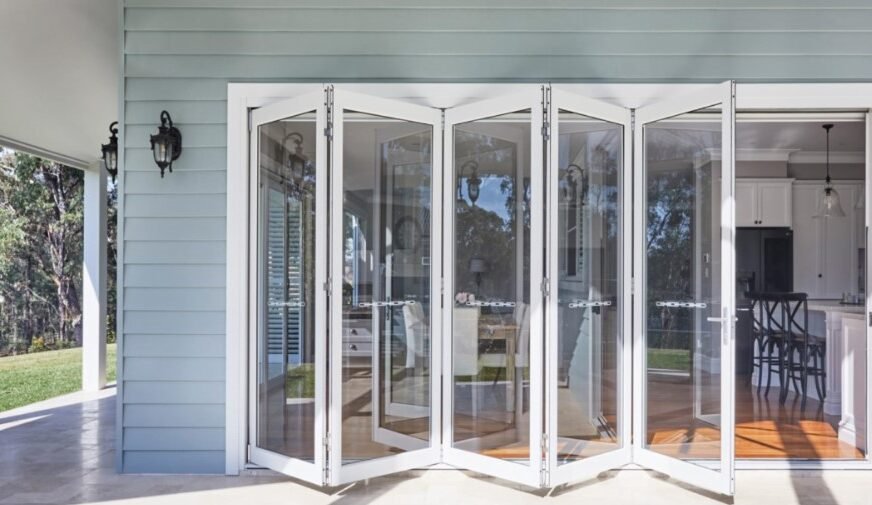
Most Australian homeowners dream about connecting their indoor spaces with the backyard. That desire has pushed bi-fold doors in Australia into nearly every renovation conversation happening right now. These aren’t just about aesthetics anymore. They’re reshaping how families use their homes as work, leisure, and daily routines blend together in ways we never anticipated before.
Managing Summer Heat
Opening these doors seems counterintuitive when it’s scorching outside. But there’s a method that works surprisingly well. Early morning air stays relatively cool, and so does the breeze after sunset. Creating a pathway for that air to move through your house makes a genuine difference. Homes in tropical and subtropical zones have figured this out through trial and error. The trick isn’t leaving everything open during peak heat. It’s about timing and understanding how air moves through your particular layout.
Dealing With Harsh Light
Large glass panels sound perfect until the afternoon sun turns your living room into an oven. That western light in particular can be brutal. Some homes end up with glare so intense that screens become unreadable and furniture starts fading within months. External shade makes all the difference here. Pergolas work well. So do large trees if you’ve got them positioned right. The doors themselves are just one element. Without thinking about what blocks or filters that incoming light, you’re setting yourself up for problems.
Flexible Living Spaces
Australian homes are getting smaller whilst families still need space that works different ways. A room might need to be quiet for concentration, then open for entertaining hours later. Traditional walls don’t allow that kind of flexibility. These door systems let you reconfigure spaces based on what’s actually happening. Cooking smells stay contained when you want them to. Noise from kids playing outside doesn’t interrupt everything inside. You’re essentially moving walls around without the permanence that comes with fixed structures.
What Maintenance Actually Involves
Here’s something that gets downplayed during sales pitches. Those tracks need regular cleaning or the doors start sticking. Dust accumulates faster than you’d think. Leaves blow in and jam up the mechanism. Areas prone to bushfires deal with ash and debris that works its way into every crevice. Hardware loosens over time because Australian temperature swings are harsh on materials. Coastal homes face corrosion issues that inland properties never see. Maintenance isn’t complex, but it needs doing consistently or performance degrades quickly.
Security Blind Spots
Multiple panels create multiple potential entry points. That’s just basic logic. Cheaper systems have vulnerabilities that become obvious once you’ve lived with them for a while. The main panel carries most of the weight and stress, which means that’s where failures typically show up first. Ground floor installations need serious consideration about locking mechanisms. Insurance companies are starting to ask specific questions about these setups. If you’re putting them anywhere that faces the street or provides easy access, spending extra on reinforced systems isn’t optional.
Sound Doesn’t Stop at Glass
Glass looks solid but sound travels through it remarkably well. Traffic noise becomes part of your indoor environment. Neighbours having backyard conversations might as well be in your lounge room. Dogs barking streets away sound much closer than they are. Suburbs near airports or major roads discover this reality quickly. Even expensive bi-fold doors with quality seals don’t block sound like proper walls do. Anyone working from home or dealing with shift work sleep schedules needs to factor this in seriously before committing.
Climate Challenges
Melbourne weather changes faster than you can react sometimes. Those doors work beautifully when conditions stay stable. But sudden wind gusts make adjusting them tricky without panels catching or slamming. Heavy rain exposes drainage problems that weren’t obvious during installation. Perth’s relentless afternoon sun deteriorates seals faster than manufacturers typically admit. Your specific local conditions matter enormously. What works perfectly in Hobart might be impractical in Darwin. Climate needs to drive the decision as much as design preferences do.
Conclusion
The appeal of bi-fold doors in Australia makes complete sense given our climate and lifestyle. But promotional material skips over realities that emerge once you’re living with them daily. Success comes from matching the system to your specific situation rather than following design trends blindly. Climate patterns, maintenance capacity, security needs, and how your family actually uses space all matter more than catalogue photos suggest. Thoughtful planning that accounts for these practical considerations means the investment enhances your home genuinely instead of creating unexpected headaches down the track.