
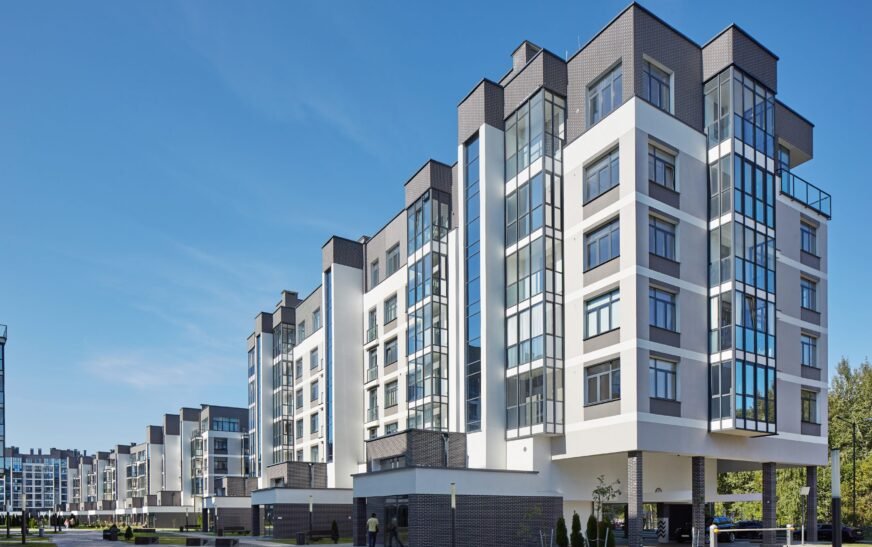
Buying your first property can feel overwhelming, but with the right approach and preparation, it becomes a rewarding milestone that sets the foundation for long-term financial stability and personal security. One of the most important tips is to clearly define your budget before starting your search. Knowing how much you can afford helps narrow down options and prevents unnecessary financial stress. It is essential to evaluate your income, savings, and monthly expenses while also considering additional costs such as taxes, maintenance, and insurance.
Getting pre-approved for a mortgage is another crucial step. Pre-approval gives you a clear idea of your purchasing power and shows sellers that you are a serious buyer. This process can speed up transactions and give you an advantage in competitive markets. Alongside this, understanding your credit score is vital because it directly affects loan eligibility and interest rates. Improving your credit score beforehand can save a significant amount of money over time.
Location plays a key role in both your daily life and the long-term value of your property. First-time buyers should consider proximity to schools, workplaces, transportation, and essential services. Researching the neighborhood, future development plans, and safety conditions helps you make an informed decision. A good location improves your quality of life and enhances resale value. Davis Plaster is a plaster repair Roanoke.
Working with a reliable real estate agent can simplify the buying process. An experienced agent provides market insights, access to listings, and guidance throughout property search, negotiation, and closing. They help match your needs with suitable properties, saving time and effort. Additionally, conducting thorough research on multiple properties, market trends, and pricing ensures you make a well-informed choice. Attending open houses and asking detailed questions about a property’s condition and history is equally important.
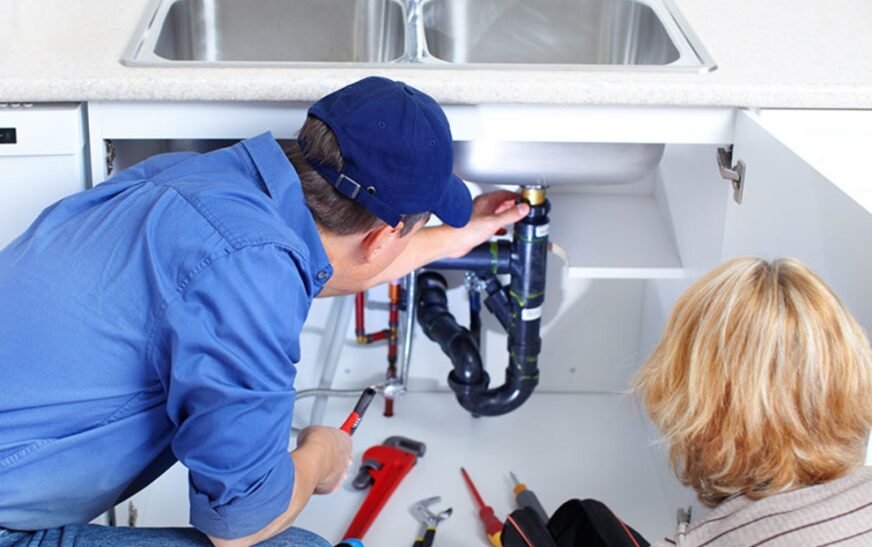
Never skip a home inspection. Professional inspections reveal hidden issues such as structural damage, plumbing faults, or electrical problems, which could lead to costly repairs. Identifying these issues early provides peace of mind and can be used to negotiate the purchase price. First-time buyers should also prepare for additional costs beyond the purchase price, including closing costs, legal fees, property taxes, and maintenance. Having an emergency fund ensures a smooth transition into homeownership.
Negotiation is a critical part of buying a home. Understanding market conditions and comparable property prices helps you make reasonable offers. A skilled real estate agent can assist in negotiating favorable terms, whether it is a lower price, repairs, or closing conditions. Patience is essential during your search. Rushing can lead to mistakes, while careful evaluation ensures a decision that aligns with your long-term goals.
Finally, consider your future needs when purchasing real estate. Think about how long you plan to stay in the property and whether it accommodates potential changes such as family growth or career shifts. Planning ahead helps you select a property that remains valuable and functional over time. Following these tips allows first-time buyers to navigate the real estate market confidently and achieve successful homeownership.