

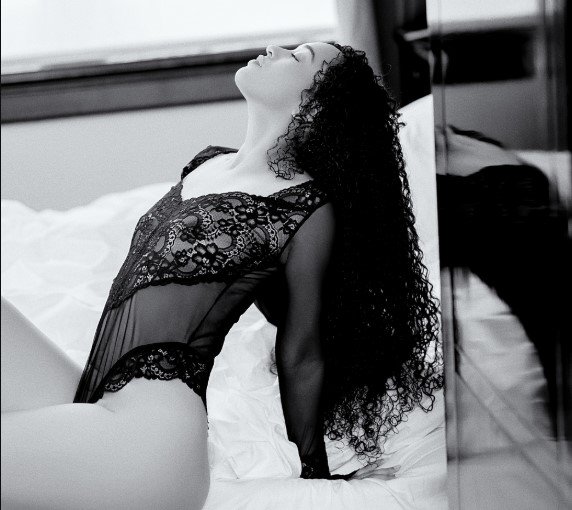
Photography has always been a window into human experience, but few genres capture vulnerability, honesty, and intensity quite like naked photography. It strips away the superficial layers we hide behind, revealing the raw emotions that define our humanity. The artistry lies not just in the physical form but in the story, feelings, and energy conveyed through every frame.
The Essence of Naked Photography
At its core, naked photography is not merely about nudity. It’s a celebration of authenticity. By removing clothing, we remove societal masks, allowing the subject to communicate emotion in its purest form. Photographers working in this realm focus on expression, posture, and the subtle nuances of the human body as it reacts to feelings such as joy, fear, love, or sorrow.
Unlike traditional portrait photography, naked photography challenges both the photographer and the viewer to confront raw human experience. The absence of adornments shifts attention entirely to emotion, body language, and the interplay of light and shadow. It transforms the subject from a mere figure into a vessel of story and sentiment.
Lighting: Painting With Shadows and Highlights
One of the most crucial elements in naked photography is lighting. The way light caresses the skin, creates shadows, and highlights contours can completely change the mood of an image. Soft, diffused light tends to evoke vulnerability and tenderness, whereas harsher lighting can emphasize tension, strength, or drama.
Natural light can bring warmth and intimacy to naked portraits, while studio lighting allows for precise control of every detail. Photographers often experiment with both, aiming to capture the subtle emotional undertones that make the image resonate with viewers.
Composition and Framing
Composition in naked photography is more than just positioning the subject. It’s about storytelling. The angles, proximity, and framing all contribute to the narrative conveyed through the photograph. A tightly cropped shot can convey intimacy or tension, whereas wider frames often evoke freedom or isolation.
Negative space also plays a pivotal role. Leaving areas of emptiness around the subject can amplify their emotional state, making the viewer focus on the intended feeling rather than distractions in the environment. Every choice, from perspective to distance, helps communicate the inner world of the subject.
Emotion Over Aesthetics
While beauty is often a component of naked photography, the emphasis is placed on emotion rather than physical perfection. Wrinkles, scars, and imperfections are embraced as part of the story. Each mark on the skin tells a history, and in capturing these, the photographer immortalizes more than a body—they capture a life.
This focus on emotion challenges conventional standards of beauty. By celebrating the authentic human form, naked photography becomes a powerful tool for self-acceptance and empathy, inviting viewers to see the shared vulnerabilities that connect us all.
Ethical Considerations
Working in naked photography requires trust, respect, and consent. Subjects must feel safe, understood, and comfortable throughout the process. This is not only an ethical necessity but also essential for genuine expression. Forced or uncomfortable poses can strip the work of its emotional honesty, turning it into mere objectification.
Professional photographers often spend hours or even days establishing rapport, discussing boundaries, and creating a space where the subject can freely express themselves. This collaborative approach ensures that each shot reflects authentic emotion rather than imposed aesthetics.
The Psychology Behind Naked Portraits
The human mind responds strongly to vulnerability. Naked photography taps into this by presenting subjects in their most unguarded state. When clothing is removed, so too are the social signals and protective barriers that often dictate behavior. This allows for a direct and powerful emotional connection between subject and viewer.
Studies suggest that vulnerability can evoke empathy, compassion, and introspection. Naked photography leverages this effect, encouraging viewers to reflect on their own emotions and experiences. The result is not only a visual journey but also an emotional one.
Artistic Styles and Variations
Naked photography is not confined to a single style. From classic black-and-white portraits to modern, experimental techniques, the genre offers endless possibilities. Minimalist compositions focus on the purity of form, while surrealistic approaches may incorporate props, textures, or digital enhancements to evoke complex emotions.
Every photographer brings a unique perspective, meaning no two naked photographs are ever truly alike. This diversity allows the genre to continually evolve while staying true to its foundational principle: capturing raw human emotion in its most honest form.
The Role of Trust Between Photographer and Subject
Perhaps the most critical component of successful naked photography is trust. Vulnerability cannot be staged or faked—it must be nurtured. A subject who feels respected and empowered will naturally exhibit emotions that are genuine and compelling.
Photographers often describe the process as a dialogue, where gestures, glances, and silent communication create an intimate connection. This relationship becomes the unseen thread that binds the visual narrative together, turning each photograph into a powerful testament to human emotion.
Impact on the Viewer
Naked photography has a profound effect on audiences. By presenting subjects in their unfiltered state, it invites reflection on shared experiences, fears, and desires. The images evoke empathy, making viewers feel both the vulnerability and the resilience of the human condition.
Unlike other forms of photography that focus on spectacle or perfection, naked photography lingers in the mind. Its impact is emotional, introspective, and enduring—an invitation to explore not only the subject but also one’s own emotional landscape.
Conclusion: Embracing the Power of Authenticity
The power of naked photography lies in its ability to reveal what is often hidden: raw, unmediated human emotion. By removing external distractions, the genre allows both subject and viewer to confront vulnerability, strength, and authenticity in their purest forms.
Whether used in fine art, personal projects, or commercial work, naked photography transcends mere imagery—it becomes a medium for storytelling, empathy, and connection. Each photograph serves as a reminder that beneath the surface, human emotion is universal, powerful, and undeniably beautiful.