

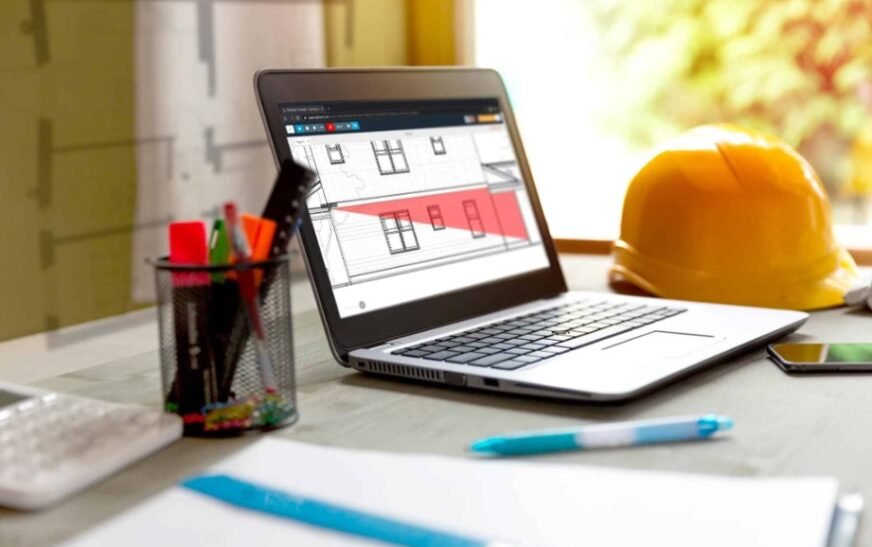
Most builders have been there. Pulling together a quote at midnight, double-checking supplier catalogues, and then discovering the timber prices changed last week. The old way of estimating isn’t just slow. It’s a gamble with your margins. What’s interesting is how many Australian builders still resist using estimating software for builders, even whilst watching competitors snap up jobs with faster turnaround times. Digital tools have reshaped how construction professionals approach project costing.
The Hidden Cost of Rounding
Here’s something rarely discussed. Traditional estimating encourages rounding. You round up for safety, round down to stay competitive, and somewhere in that process, accuracy vanishes. Those rounded figures compound across hundreds of line items. A few dollars here, some more there, and suddenly you’re either leaving money on the table or pricing yourself out. Estimating software for builders calculates to the cent. This sounds trivial until you realise how those precise figures add up over a year’s worth of projects.
The Subcontractor Coordination Gap
Getting subbies to price work quickly is like herding cats. You’re chasing sparky quotes whilst the plumber hasn’t even looked at the plans yet. Digital platforms solve this through integration with trade partners. Subbies can access drawings directly. They submit their prices straight into your system. You’re not playing phone tag for days. The estimate updates automatically, and you’re sending quotes whilst other builders are still waiting on their trades to respond.
Material Waste Nobody Talks About
Most builders over-order materials just in case. That safety buffer costs real money sitting in skips or taking up yard space. Accurate estimation means ordering precisely what you need. This sounds obvious until you consider how manual calculations handle variations in wall heights, roof pitches, or irregular floor plans. The software accounts for these quirks mathematically. No more relying on rough instincts that usually mean ordering extra.
The Tender Deadline Problem
Commercial tenders often close on tight deadlines. If you’re manually estimating a multi-trade project, you’re either rushing and making mistakes, or you’re not submitting at all. Digital estimation tools change this calculation entirely. Projects that would take days to price can be quoted in hours. This means you can actually respond to opportunities you’d previously have to pass on. More tender submissions naturally mean more wins.
Variation Management Reality
Can we just add another bathroom? Sounds simple until you’re recalculating plumbing, electrical, tiling, waterproofing, and ventilation whilst the client waits on the phone. Manual variations often result in underpricing because you forget something in the rush. Digital tools link related items automatically. Add that bathroom and the software prompts you about additional drainage, increased hot water capacity, and extra ventilation requirements you might otherwise miss.
The Apprentice Training Shortcut
Teaching someone to estimate properly takes years. They need to understand material quantities, labour rates, waste factors, and how different elements interact. Estimating software for builders accelerates this process because the system contains built-in knowledge. Your apprentice can generate accurate quotes months earlier than they could manually. You’re not constantly checking their arithmetic or reminding them about items they’ve forgotten.
Client Transparency Advantage
Clients are savvier now. They want itemised breakdowns, not vague figures. When you can show exactly where their money goes, right down to specific materials and labour hours, it builds trust that handwritten quotes never achieve. This transparency also protects you when clients question costs. You’re showing them market rates pulled from current supplier data. Not figures you’ve plucked from memory.
Risk Assessment You’re Missing
Most builders price jobs based on gut feeling about risk. Digital estimation forces systematic risk evaluation. Which materials have volatile pricing? Where are the supply chain vulnerabilities? What’s the labour availability looking like? These factors get quantified rather than vaguely considered. Your contingencies are based on data rather than pessimism or optimism.
Conclusion
The builders winning consistent work aren’t necessarily the cheapest. They’re the ones who quote fast, quote accurately, and present professionally. Estimating software for builders isn’t about replacing your expertise. It’s about multiplying it. You still make the judgement calls, but you’re doing it with better information, faster processing, and fewer mistakes. The construction industry rewards efficiency, and estimation is where efficiency starts paying immediate dividends.