

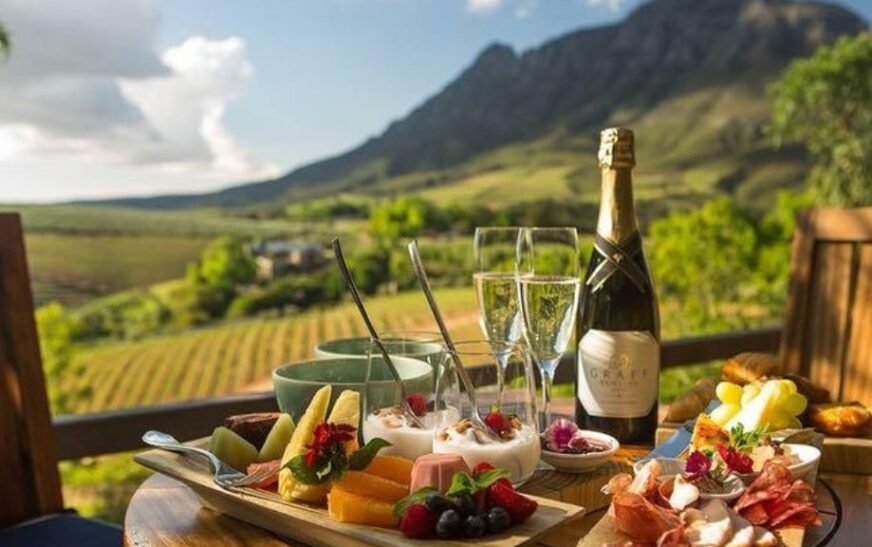
The Vineyards in Stellenbosch South Africa occupy a geological pocket where major mountain ranges converge. This creates microclimates that shift dramatically within short drives. What makes this region remarkable goes beyond the wine itself. The Berg winds sweep down from the mountains each summer afternoon. They naturally cool the grapes and produce a distinctive crispness you won’t find in warmer European appellations.
Rich Heritage
Walk into any centuries-old cellar here and something odd catches your eye. The walls lean slightly inward. Early Dutch settlers built them this way deliberately, using natural temperature differentials to create air circulation before refrigeration existed. Some estates still ferment using gravity-fed systems. Grapes literally tumble down through different cellar levels. It’s winemaking that relies on physics rather than pumps, and the gentle tannins reflect this approach.
Diverse Wine Varieties
Pinotage gets all the attention as South Africa’s signature grape. Locals know the real treasure though. Old-vine Chenin Blanc planted in decomposed granite soils produces something special. These mature vines create wines with a waxy texture and savoury edge. Most people associate Chenin with tropical fruit bombs, but this defies expectations completely. The Vineyards in Stellenbosch South Africa have also quietly become home to exciting Chardonnay. Winemakers here ferment it in concrete eggs rather than typical French oak.
World-Class Facilities
Several estates have converted old fruit-drying sheds into fermentation spaces. The results are fascinating. High ceilings and cross-ventilation originally designed for apricots now serve wild fermentation. Ambient yeasts do the work instead of cultured strains. One winery still uses ancient slate floors for temperature regulation during heatwaves. These aren’t museum pieces. They’re working wineries where architecture shapes the wine’s character in tangible ways.
Educational Opportunities
The real learning happens in the vineyards themselves. Tasting rooms tell half the story at best. Some estates offer early morning walks through the vines. You’ll discover how winemakers use companion planting in clever ways. Roses at the end of rows aren’t decorative. They’re early warning systems for fungal disease. Cover crops fix nitrogen naturally. Certain blocks are harvested at night when sugar levels are lower. This hands-on viticulture changes how you think about what’s in your glass.
Sustainable Practices
Vineyards in Stellenbosch South Africa have pioneered biological corridors. Strips of indigenous fynbos get planted between vineyard blocks. They house predatory insects that manage pests without chemicals. Many estates haven’t sprayed pesticides in over a decade. Some winemakers have reintroduced sheep to the vineyards in winter. The sheep graze the cover crops and naturally fertilise the soil. It’s agriculture that works with the ecosystem. Fighting against nature doesn’t make sense here.
Accessible Location
The Helshoogte Pass route remains largely unknown to tourists. It connects some of the region’s most progressive winemakers though. This backroad approach means you’ll encounter working farms rather than polished tourism operations. Places where you might help with bottling or taste barrel samples straight from the cellar. The Banghoek Valley sits tucked behind the main town. It produces extraordinary cool-climate wines but sees far fewer visitors than the busier routes.
Vibrant Community
Winemakers gather at a particular café in Dorp Street on certain afternoons. Not for meetings. They taste each other’s latest experiments. This informal exchange drives innovation faster than any formal organisation could manage. University students double as harvest workers each vintage. This creates knowledge transfer between academic research and practical winemaking. Local braais bring together farmers, sommeliers, and chefs. They collaborate on food and wine pairings that never make it onto official menus.
Conclusion
What sets Vineyards in Stellenbosch South Africa apart isn’t a single factor. Everything interconnects in meaningful ways. Old wisdom meets new techniques. Dramatic landscapes shape flavour profiles. A tight-knit community pushes boundaries whilst respecting tradition. The wines reflect this complexity, offering layers that reveal themselves slowly rather than shouting for attention. For anyone willing to look beyond the obvious and explore the quieter corners, Stellenbosch delivers experiences that genuinely shift your understanding of what South African wine can be.