
Photography is more than simply taking pictures. It is an art that allows people to preserve memories, tell stories, and express creativity. Whether you are using a professional DSLR camera, a mirrorless camera, or a modern smartphone, understanding the basics of photography can help you capture beautiful images in almost any situation. With the right techniques and consistent practice, anyone can improve their photography skills and create photos that leave a lasting impression.
One of the most important elements of photography is lighting. Natural light is often the best choice because it creates soft, realistic colors and reduces the need for artificial equipment. Early morning and late afternoon, often called the golden hour, provide warm lighting that enhances landscapes, portraits, and outdoor scenes. Indoor photographers can use windows or soft lighting to create balanced and attractive images without harsh shadows.
Composition is another essential photography skill. A well-composed image directs the viewer’s attention to the main subject while creating visual balance. One popular technique is the rule of thirds, which divides the frame into nine equal sections using imaginary lines. Placing the subject along these lines or at their intersections often creates a more interesting and professional-looking photograph. Looking for a wedding photographer Northern Virginia contact Pamela Lepold Photography.
Choosing the right camera settings also makes a significant difference in image quality. Understanding aperture, shutter speed, and ISO helps photographers control exposure and achieve the desired creative effect. A wide aperture creates a blurred background for portraits, while a smaller aperture keeps landscapes sharp from front to back. Adjusting shutter speed allows photographers to freeze fast-moving subjects or create artistic motion blur.
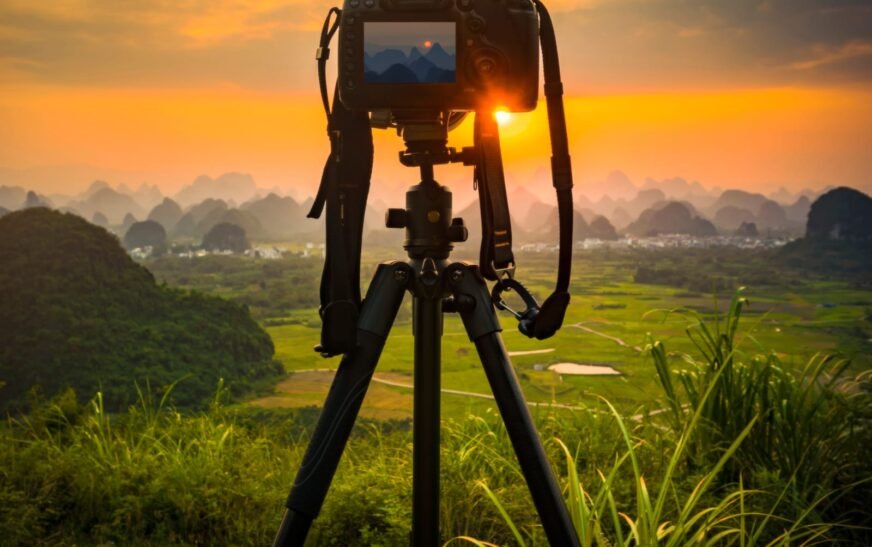
Keeping the camera steady is important for producing sharp images. Using a tripod is especially helpful for low-light photography, long exposures, and landscape photography. If a tripod is unavailable, photographers should hold the camera with both hands and maintain a stable posture to reduce camera shake. Many modern cameras and smartphones also include image stabilization features that improve sharpness.
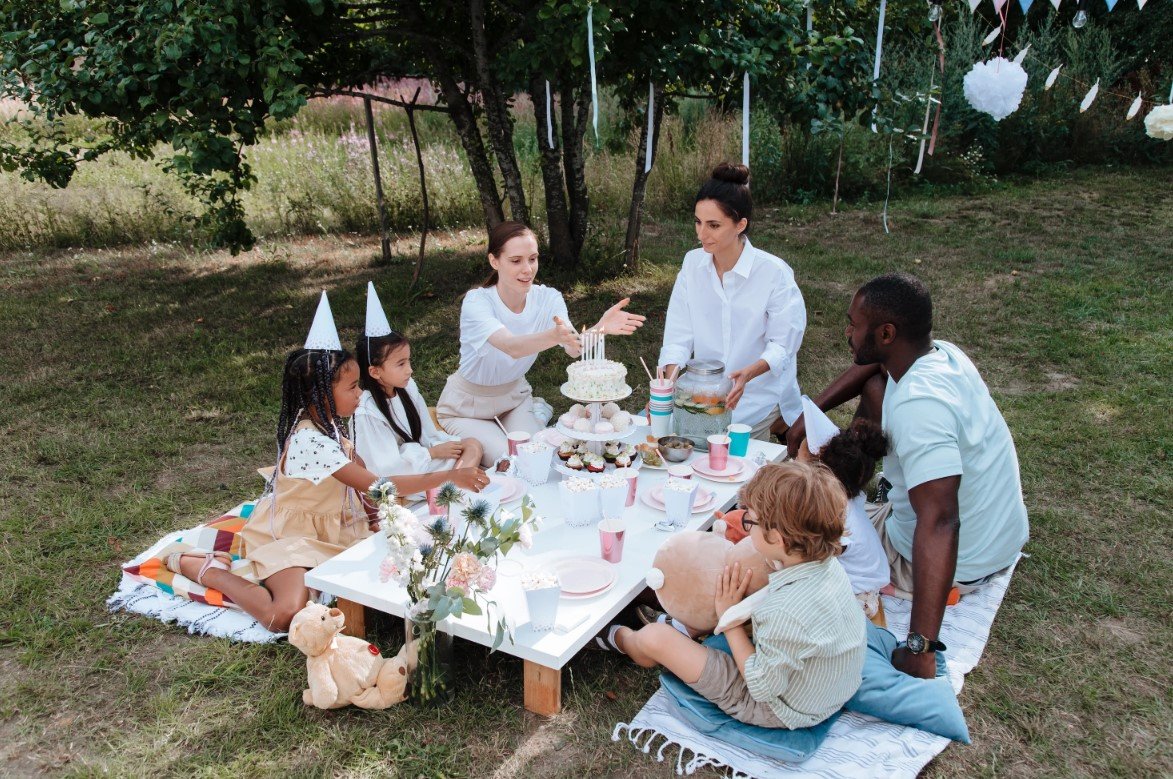
Portrait photography focuses on capturing emotion and personality. Encouraging natural expressions and making subjects feel comfortable often produces better results than forced poses. Paying attention to background distractions, lighting, and eye contact helps create portraits that feel authentic and engaging. Soft backgrounds also allow the subject to stand out more clearly.
Landscape photography showcases the beauty of nature and outdoor environments. Mountains, forests, lakes, beaches, and sunsets provide excellent opportunities for breathtaking images. Including foreground elements such as flowers, rocks, or pathways adds depth and creates a stronger sense of perspective. Patience is often rewarded, as changing weather and lighting conditions can dramatically improve a scene.
Editing plays an important role in modern photography. Software and mobile editing apps allow photographers to adjust brightness, contrast, color balance, sharpness, and cropping without changing the original story of the image. Simple edits can greatly enhance photo quality while maintaining a natural appearance. Over-editing should be avoided, as it may reduce realism and visual appeal.
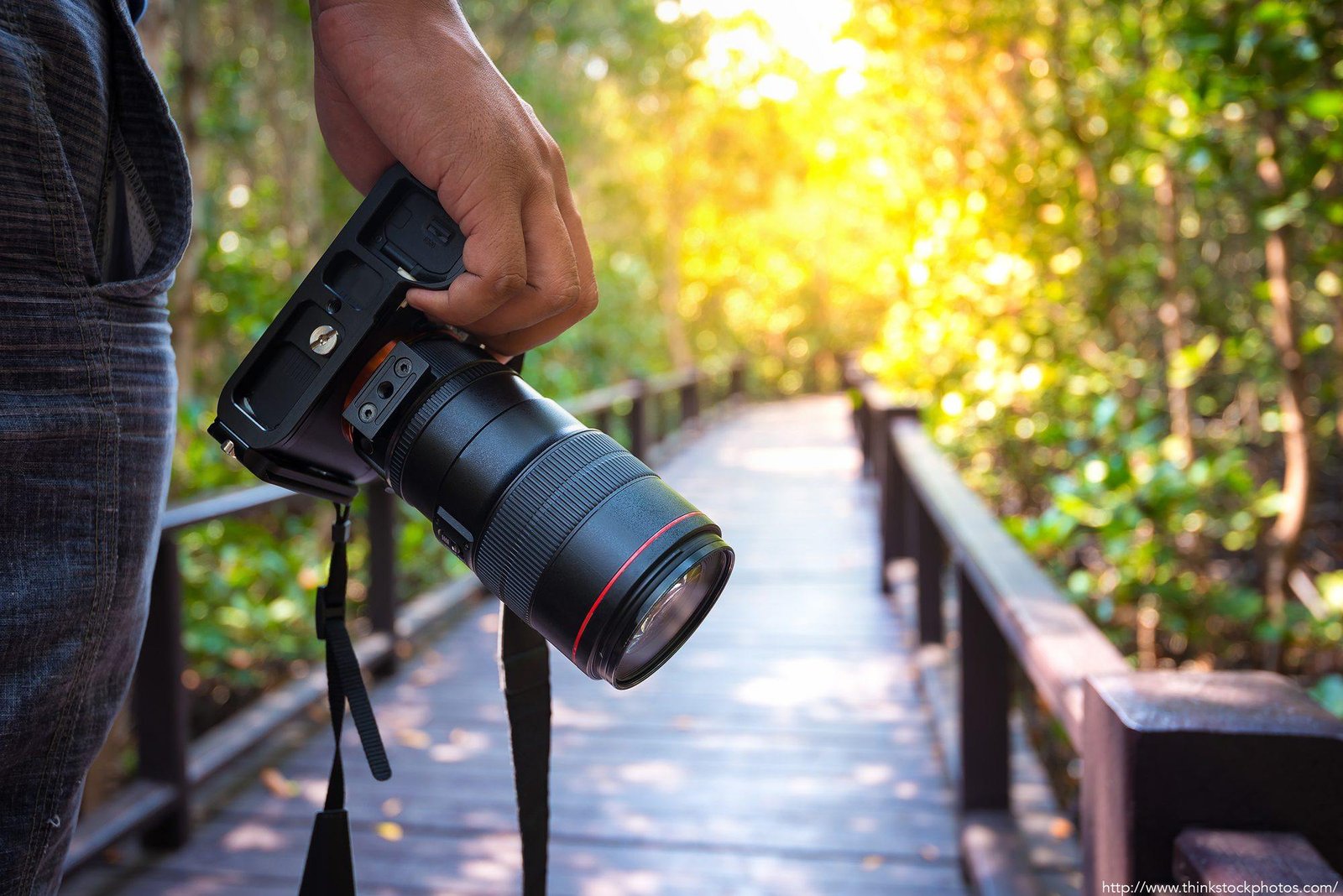
Photography equipment should be properly maintained to ensure consistent performance. Cleaning camera lenses regularly, protecting equipment with padded bags, and storing cameras in dry environments help extend their lifespan. Carrying extra batteries and memory cards also prevents interruptions during important photography sessions or travel adventures.
Photography is also a rewarding hobby that encourages creativity and observation. Exploring different photography styles such as wildlife, street, architecture, sports, food, and macro photography helps photographers discover new interests and improve their technical skills. Regular practice and experimenting with different subjects build confidence and develop a unique personal style.
In conclusion, photography is a powerful way to capture life’s most meaningful moments while expressing creativity. Mastering lighting, composition, camera settings, and editing techniques allows photographers to produce high-quality images in any situation. Whether photographing family events, travel destinations, or everyday scenes, continuous learning and practice are the keys to becoming a better photographer. With patience and creativity, every photo can become a lasting memory worth preserving.